
2026-04-06
- Athlete: Sidney McGill
- Username: sidney
- Timezone: America/Edmonton
- Last updated: 2026-04-13 consolidation migration
Summary
Phase-one workspace scaffolding is now in place. Coordinator and specialist workspaces exist, shared doctrine is written, and the core record structure is ready for live athlete data.
Activities
No confirmed structured activity entry
- Evidence quality: Phase-one workspace scaffolding is now in place. Coordinator and specialist workspaces exist, shared doctrine is written, and the core record structure is ready for live athlete data.
Coach Luca
- Owner: Coach Luca
- Status: Bootstrap day
Summary
Phase-one workspace scaffolding is now in place. Coordinator and specialist workspaces exist, shared doctrine is written, and the core record structure is ready for live athlete data.
Decisions
- Direct athlete communication remains coordinator-only.
- Planning inputs will remain conservative until athlete goals, race dates, and travel constraints are populated.
- Specialist writes remain isolated to specialist-owned workspaces.
Risks and constraints
- Athlete-specific planning records are still empty.
- Reporting quality cannot be meaningfully judged until at least one live operating cycle is completed.
Required follow-up
- Populate goals, race schedule, and travel schedule.
- Run one manual operating cycle with specialist log updates and coordinator synthesis.
Endurance
- Agent: endurance
- Owner: endurance
- Related planning inputs reviewed: goals, race schedule, travel schedule
Key Observations
- Planning files exist but contain no athlete-specific event demands yet.
- Without target-event clarity, training recommendations should stay conservative and structural.
Recommendations
- Hold off on event-specific interval design until the race schedule is populated.
- Once priorities are known, map demands by duration, terrain, and likely race role before adjusting structure.
Watch Items
- Any attempt to prescribe specificity before event demands are known.
- Load increases that are not justified by actual calendar needs.
Open Questions
- Which event type anchors the first block?
- What current training phase is the athlete actually in?
Handover For Coach Luca
- Get the race and priority-event files populated before approving specific session changes.
Recovery
- Agent: recovery
- Owner: recovery
- Related planning inputs reviewed: goals, race schedule, travel schedule
Key Observations
- No athlete-specific readiness data or travel stressors are documented yet.
- Recovery interpretation should remain conservative until actual load, sleep, and travel context are known.
Recommendations
- Avoid using the current scaffold state as a reason to add workload.
- Once the race and travel calendars are populated, identify the periods most likely to need freshness protection.
Watch Items
- Hidden fatigue once travel or racing density increases.
- Low availability of recovery data causing false confidence.
Open Questions
- What are the athlete's current sleep patterns and travel burden?
- Are there existing HRV, RPE, mood, or illness trends worth monitoring?
Handover For Coach Luca
- Gather recovery-relevant context before approving load changes.
Strength
- Agent: strength
- Owner: strength
- Related planning inputs reviewed: goals, race schedule, travel schedule
Key Observations
- The system has a place for gym recommendations, but no athlete-specific race calendar or training pattern has been entered yet.
- Strength work should remain supportive until session density, race timing, and fatigue patterns are known.
Recommendations
- Do not increase gym complexity until the riding calendar is populated.
- Once race priorities are known, align strength frequency and exercise selection to the real competition rhythm.
Watch Items
- Interference with key riding sessions.
- Strength work becoming generic filler instead of targeted support.
Open Questions
- What is the athlete's current gym background and access?
- Are there existing injury constraints or movement limitations?
Handover For Coach Luca
- Collect gym history and schedule context before approving changes.
Nutrition
Key observations
- Two nutrition items were backfilled from the OpenClaw media store after the chat replies occurred without workspace persistence.
- The 21:37 banana entry is a practical quick-carb snack but not a complete recovery intake on its own.
- The 21:39 sausage and roasted potato meal appears protein-adequate but relatively light on carbohydrate for hard-session recovery.
- The 22:26 soup meal appears to include noodles, beef, greens, and broth, making it a more balanced intake with fluid, sodium, protein, and moderate carbohydrate.
Recommendations
- Keep current fueling stable until training load and race demands are known.
- If the banana was used after training, pair it with a protein source.
- If the sausage meal followed a demanding ride, increase carbohydrate on the plate or add an additional carb source alongside it.
- If the soup followed training, it is a reasonable recovery meal base, but a harder or longer session may still justify additional carbohydrate if the noodle portion was modest.
- Once event priorities are populated, define race-day fueling targets and recovery priorities around those demands.
Watch items
- Nutrition handling previously produced athlete replies without durable markdown records; this is now a process watch item.
- Received time and consumed time must be stored separately whenever the athlete gives timing context.
- Chronic underfueling risk once goals and body-composition language become explicit.
- Travel schedule changes that may disrupt hydration or meal regularity.
- Snack choices that look healthy but may still underdeliver protein for recovery.
Open questions
- What discipline and event durations are most relevant?
- Are there any current body-mass goals, gut issues, or travel constraints?
Summary
21:37
- Received: 2026-04-06 21:37
- Consumed: assumed 2026-04-06 21:37 (defaulted to receipt time; no athlete-stated timing provided)
- Item: large banana
- Source media path: /athlete/logs/media/2026-04-06/01-banana.jpg
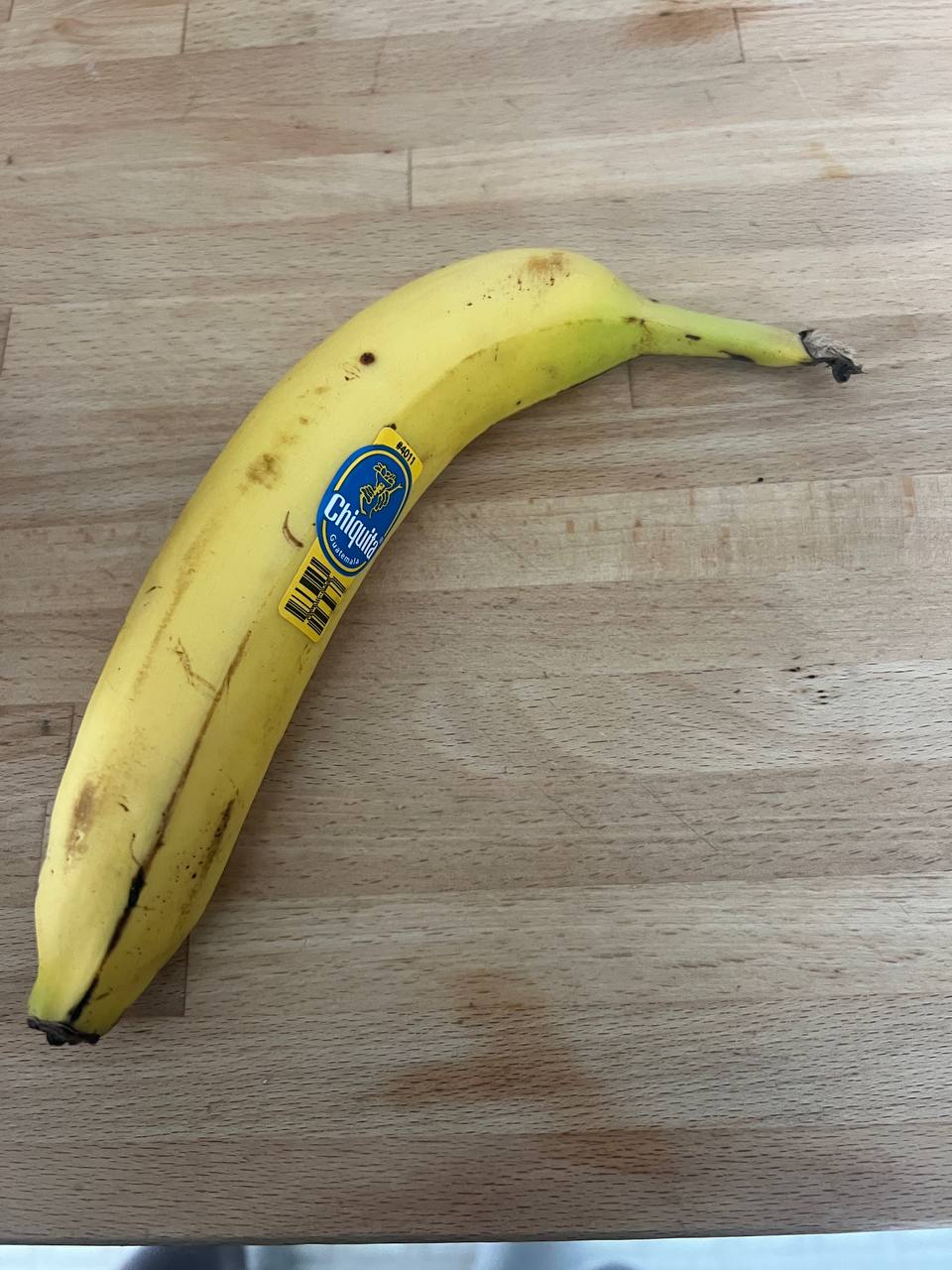
- Estimated intake: Energy 120-150 kcal; carbohydrate 30-38 g; protein 1-2 g; fat 0-1 g
- Key assumptions: Portion assumed to be one large banana based on image scale; No additional drink or companion food visible; Estimate kept broad because exact fruit size is uncertain
- Practical implication: Useful as a simple quick-carb snack before a light session or as a small top-up during the day; Insufficient by itself for full post-session recovery because protein is minimal; If this was intended as pre-hard-session fueling, extra carbohydrate may still be needed depending on session duration and timing
- Status: complete
21:39
- Received: 2026-04-06 21:39
- Consumed: assumed 2026-04-06 21:39 (defaulted to receipt time; no athlete-stated timing provided)
- Item: two sausages with roasted potatoes and sweet potatoes
- Source media path: /athlete/logs/media/2026-04-06/02-sausage-potatoes.jpg
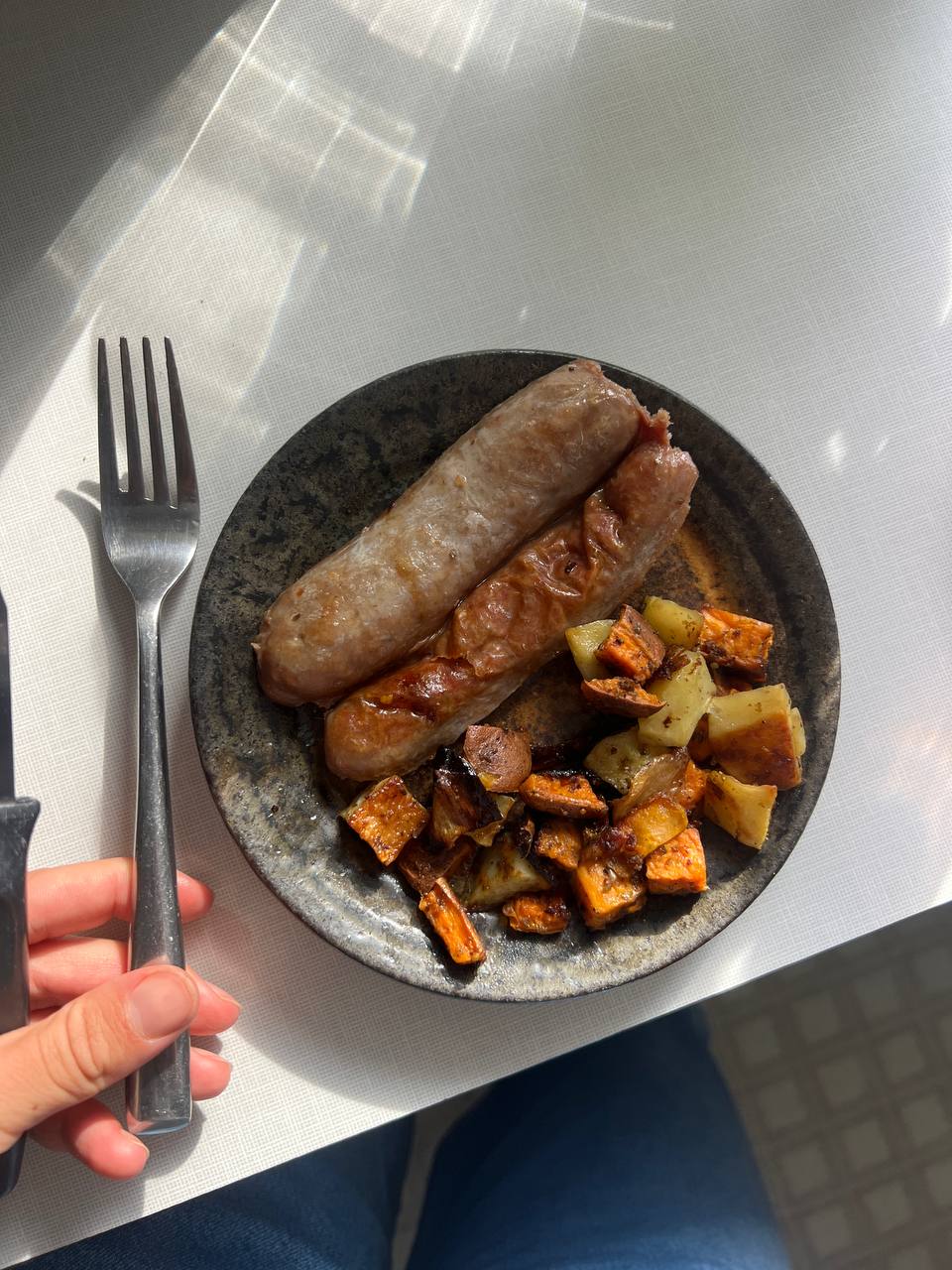
- Estimated intake: Energy 650-850 kcal; carbohydrate 30-45 g; protein 25-35 g; fat 35-50 g
- Key assumptions: Sausage size estimated from plate and fork scale; Potato portion appears modest rather than large; Fat content is highly variable across sausage types, so the estimate is intentionally broad
- Practical implication: Protein intake is likely adequate for a normal meal; Carbohydrate looks modest relative to the likely fat load, so this is not ideal if the goal was aggressive glycogen restoration after a hard session; Fine as a general meal on an easier day, but a harder training block would likely call for more carbohydrate and possibly fruit, bread, rice, or another starch alongside it
- Status: complete
22:26
- Received: 2026-04-06 22:26
- Consumed: assumed 2026-04-06 22:26 (defaulted to receipt time; no athlete-stated timing provided)
- Item: bowl of clear-broth noodle soup with beef, bone-in meat, bean sprouts, and greens
- Source media path: /athlete/logs/media/2026-04-06/03-beef-noodle-soup.jpg
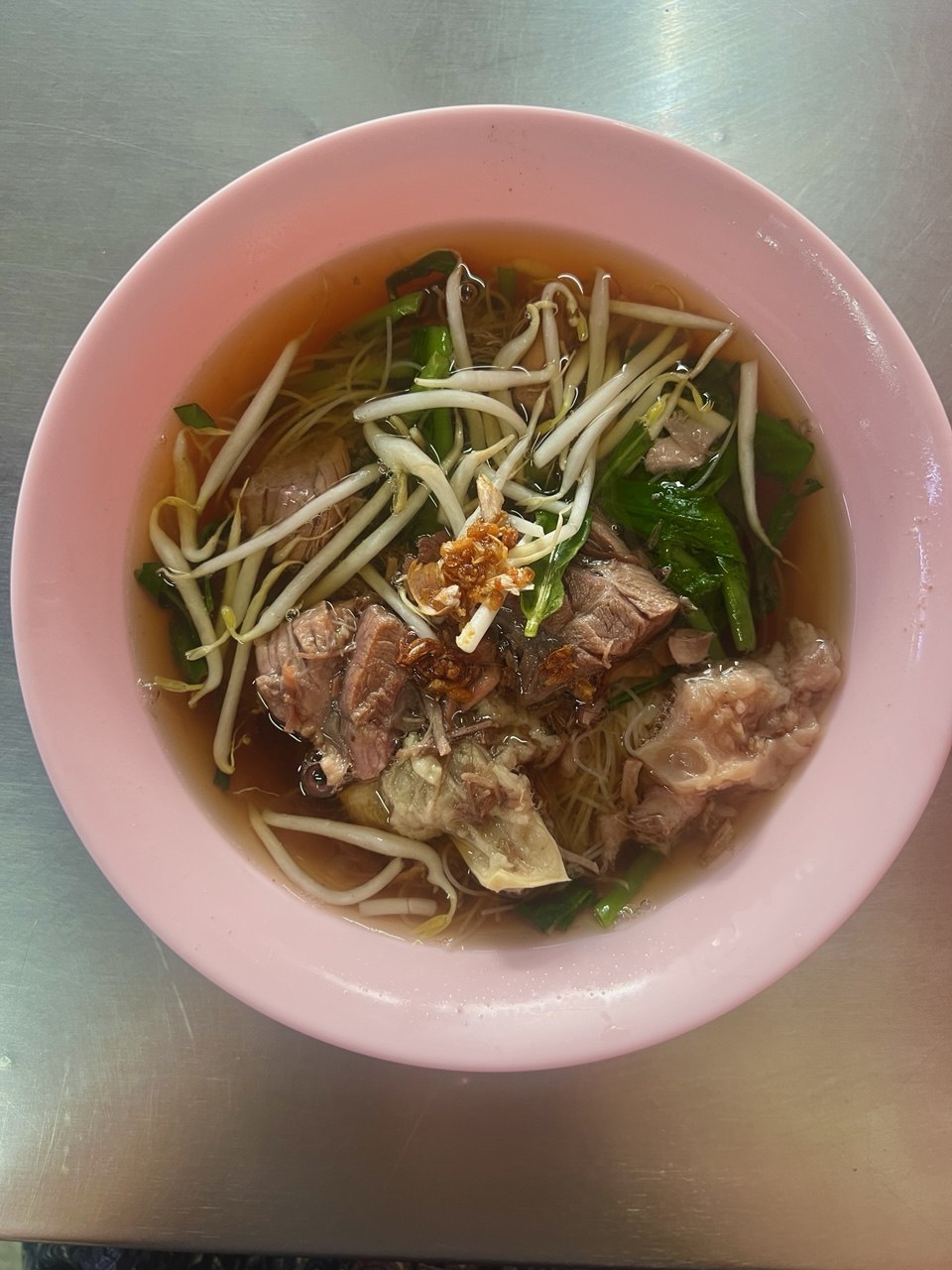
- Estimated intake: Energy 450-650 kcal; carbohydrate 35-55 g; protein 25-40 g; fat 10-20 g
- Key assumptions: Noodle portion appears moderate rather than oversized; Beef quantity looks meaningful but not exceptionally large; Broth likely contributes sodium more than substantial calories unless significant rendered fat or added sugar is present; Estimate remains broad because noodle type, cut of meat, and hidden fat content are not fully visible
- Practical implication: This is more balanced for recovery than the earlier sausage meal if the noodle portion was fully eaten, because it likely combines usable carbohydrate, protein, and fluid; Carbohydrate may still be modest for aggressive glycogen restoration after a long or very hard ride, depending on portion size and what else was eaten around it; The broth and soup format may be useful when appetite is low or hydration support matters, especially after heat exposure or travel
- Status: complete
Messages
Morning plan
- No morning plan artifact consolidated for this date.
Evening summary
- No evening summary artifact consolidated for this date.
Legacy athlete note
# 2026-04-06

- Owner: Coach Luca
- Status: Placeholder until athlete plan is populated

## Main Focus

We have the coaching system in place. The next step is to populate your goals, race calendar, and travel schedule so recommendations can be specific instead of generic.

## Training Guidance

Do not change training load based on this system setup alone. Wait until the event targets and current constraints are documented.

## Fueling And Recovery Notes

Keep normal fueling and recovery habits stable while the planning record is being filled in.

## Key Reminder

Specificity depends on good planning inputs.
Same-day inbound highlights
- No additional non-nutrition inbound highlights were consolidated for this date.
System
- Nutrition workflow items routed: 5
Notes
- Legacy sources used for this consolidation:
- athlete/team-reports/daily/2026-04-06.md
- athlete/athlete-notes/daily/2026-04-06.md
- athlete/team/endurance/logs/daily/2026-04-06.md
- athlete/team/recovery/logs/daily/2026-04-06.md
- athlete/team/strength/logs/daily/2026-04-06.md
- athlete/team/nutrition/logs/daily/2026-04-06.md
Open items
-
Populate goals, race schedule, and travel schedule.
-
Run one manual operating cycle with specialist log updates and coordinator synthesis.
-
What discipline and event durations are most relevant?
-
Are there any current body-mass goals, gut issues, or travel constraints?