
2026-04-15
Summary
- Athlete: Sidney McGill
- Username: sidney
- Effective timezone: America/Vancouver
- Day status: controlled aerobic ride completed, but materially longer than the intended road-return prescription
- Main coaching read: the ride cleared the day as a successful return to riding, but tomorrow must be decided from ankle response, back response, and general freshness rather than from the prior progression plan alone
Activities
Planned
- Planned role for the day: morning check-in, then symptom-led road return only if walking was free of sharp pain and the ankle was clearly calmer than the prior day
- Written target: 60-75 min easy road-only return, seated, Z1 to low Z2, on smooth non-technical roads
- Main constraint: no surges, hard hills, standing efforts, threshold work, or mountain bike
Completed
- Source: TrainingPeaks workout 3683952339,
Easy road return - Status: completed
- Actual ride file: 3:05:31, 75.77 km, 102.79 TSS, IF 0.58, NP 150-153 W, average power 136-144 W depending on TP view, average heart rate 138-139 bpm, average cadence 79-80 rpm, elevation gain 953 m
- Activity read: controlled aerobic intensity, but materially higher total load and climbing than the intended re-entry dose
Coach Luca
Readiness
- Source of update: operator relay from Tuesday athlete conversation, then direct athlete check-in at 10:07 MDT, 09:07 PDT
- Readiness state at morning note send: Unconfirmed
- Athlete expectation before the morning check-in: ankle should feel better the next morning
- Training expectation before the morning check-in: likely good to resume training, but not high intensity
- Surface constraint: stay off the mountain bike for a few more days
- Morning plan assessment: do not escalate beyond the written re-entry option; keep the decision conservative until walking is free of sharp pain and the ankle is clearly calmer than the prior day
- Context at morning note send: no current-day recovery or nutrition update yet; previous day finished as a confirmed modified, significant no-ride recovery reset because of ankle pain with intermittent sharp pain while walking
- Sleep: unknown
- Perceived freshness: unknown at send time, last confirmed signal was prior-day fatigue and slight leg soreness
- Illness or immune concern: no active symptom reported
- Travel disruption: none, athlete remains in Victoria
- Non-training stress: unknown
- Hashimoto's watch items: no direct flare signal reported, but unresolved fatigue and ankle response kept the day conservative
- Previous-day session outcome: confirmed modified, significant, off-bike recovery reset
- Nutrition input freshness: last nutrition guidance was from the 2026-04-14 evening review, useful but stale
- Recovery input freshness: last recovery guidance was from the 2026-04-14 evening review, useful but stale
- Location used for weather: Victoria, BC, from travel schedule, with no current-day athlete-message override found
- Weather source: Open-Meteo, fetched 2026-04-15 08:55 PDT
Planning
- Wednesday still needed a morning check-in so the training decision was based on waking symptoms, not only on Tuesday expectation
- Wednesday could be pushed one step harder than the prior conservative version, but only if the same-morning check-in confirmed clearly improved ankle status and no sharp pain with walking
- Do not restore threshold or other high-intensity work on the first day back
- Thursday could progress into controlled tempo-support work plus reduced gym only if Wednesday proved clearly clean
- Use road riding only for the next few days while the ankle settles further
- Delay mountain bike reintroduction until several calm road days are stacked first
- Weekend load could increase modestly if the ankle stayed quiet through Friday, with Tuesday remaining the first threshold re-entry point
- The 7-day plan was rebuilt for 2026-04-15 through 2026-04-21 and then adjusted one step harder after the operator indicated the ankle was expected to tolerate a little more stress
- The week was built as a progression rather than a jump: Wednesday re-entry, Thursday sub-threshold progression, Friday controlled support, Saturday endurance build, Sunday long aerobic durability, Monday recovery, Tuesday threshold re-entry
- The load increase was applied mainly through duration and controlled sub-threshold work rather than through sharp intensity
- Monday remains the recovery anchor because the weekend now carries the main aerobic load and the plan still needs one clear absorption point before threshold is reintroduced
- Overall objective for this 7-day block: restore normal training rhythm, rebuild endurance, and reintroduce quality without creating another setback
Check-in
- Received: 2026-04-15 09:07 PDT
- Event type: Reply to prior check-in
- Message assessment: Material training-impact signal
Feeling ok today, ankle is better and no sharp pain while walking. My back has been sore since a long drive I did on FridayInterpretation
- The athlete reply cleared the main blocker from the prior day because walking was now free of sharp pain
- The new same-day limiter became back soreness from the Friday drive rather than the ankle itself
- The correct same-day coaching decision was an easy road-only return with a longer gentle warm-up, fully sub-threshold execution, and a clear stop rule if the back tightened or the ankle became reactive
- Because that athlete-facing confirmation was not sent at the time, the file should preserve the missed-execution history without treating it as a current instruction to the athlete
Coordination
- Coach Luca execution failure occurred after the 10:07 MDT athlete reply: the internal decision was interpreted correctly, but the athlete-facing follow-up that should have confirmed the ride was never sent
- Current corrective decision remains unchanged: do not send that message late, because sending it hours later would likely create confusion
- Evening summary still needed to be written later in the day using the completed ride file, the cost of the longer duration, and the requirement to make Thursday conditional on ankle, back, and freshness response
Evening pass
- Session-outcome certainty: Confirmed modified, significant
- Evidence source: TrainingPeaks MCP, completed workout 3683952339, supported by same-day athlete message and same-day canonical endurance, recovery, and nutrition sections
- Morning artifact status: present in the canonical daily log, no fallback source required
- Recovery input status: same-day canonical recovery section present
- Nutrition input status: same-day canonical nutrition section present
- Endurance input status: same-day canonical endurance section present
- Specialist staleness note: none, all three role sections were current in today's canonical daily log at evening review time
- Tomorrow stabilization: Thursday downgraded from the prior tempo-support plus optional gym progression to a symptom-led aerobic support ride, no gym, because Wednesday's actual load materially exceeded the intended re-entry dose and there is still no post-ride subjective symptom report
Coaching rationale
- The ride counts as a successful road return in the sense that it stayed controlled and did not turn into a high-intensity error
- It does not count as a clean completion of the intended day because duration, climbing, and total load overshot the purpose of the session by a large margin
- The next decision therefore has to protect tissue response and freshness rather than reward the extra volume with another progression step the very next day
- Thursday should only ask for calm aerobic support, then the next progression decision can be made from the athlete's morning status and overnight response
Endurance
TrainingPeaks
- TrainingPeaks shows the planned workout as completed, with a device file uploaded and stable power and heart-rate data recorded
- Actual ride file: 3:05:31, 75.77 km, 102.79 TSS, IF 0.58, NP 150-153 W, average power 136-144 W depending on TP view, average heart rate 138-139 bpm, average cadence 79-80 rpm, elevation gain 953 m
- The ride was much longer than prescribed for the intended re-entry role. The written day target was a 60-75 min easy road-only return, and the completed file became a full 3-hour aerobic endurance ride
- Intensity stayed controlled overall. IF remained low, power-heart-rate decoupling was only 2.16%, and the file does not read like a threshold or high-intensity error
- The main coaching issue is not excessive metabolic intensity, it is total load relative to the intended orthopedic re-entry constraint
- Variability was acceptable rather than perfectly flat, VI 1.12, which is reasonable for outdoor terrain but still confirms that this was not just a short sheltered spin
- Bottom line: successful aerobic completion, but it overshot the intended re-entry dose enough that tonight's recovery and tomorrow morning's ankle and back response matter more than the original Thursday progression plan
Coaching
- From a fitness standpoint, this was a useful aerobic endurance ride and the file quality suggests Sidney was not forcing intensity
- From an injury-risk and load-management standpoint, the session was more ambitious than appropriate for the original purpose of the day
- The return-to-riding objective was to test calm road loading, not to accumulate a full endurance day with nearly 1,000 m of climbing
- Because the ride stayed sub-threshold and decoupling remained low, this is not automatically a setback
- It does, however, remove the basis for treating Thursday as a normal progression step without a fresh symptom check
- The correct read is: better than a failed return, but costly enough that the next decision must be based on ankle response, back response, and general freshness rather than on the published rolling plan alone
Recovery
Updates
- Athlete reports the ankle is better and there is no sharp pain while walking, which clears the main blocker from the prior day
- New current-day constraint: back soreness carried over from a long drive on Friday
- Readiness shifted from Unconfirmed to Amber, improving toward Green for easy aerobic riding only
- The ride could proceed as an easy road-only return, but only with a longer gentle warm-up and low-tension execution
- Keep the ride seated, flat, and fully sub-threshold. Do not restore intensity today
- If the back tightened during the first 15-20 minutes or the ankle became reactive, the day should convert back to recovery only
Interpretation
- The completed file changed the day from a simple re-entry spin into a meaningful aerobic load
- Physiologically the ride was controlled, but orthopedic exposure was still materially higher than planned because of the duration and climbing
- There is now a late same-day athlete subjective update: ankle feels normal, back feels sore but improved after a 1-hour massage, and leg soreness is present but described as normal training-load soreness
- Thursday should still stay below the earlier written progression ceiling, but the late athlete update supports a controlled aerobic support ride if the same pattern holds on waking
Late athlete update
I had a 1 hour massage today on my back to help relieve tightness and pain. After the treatment I am sore but in a good way and tomorrow or the following day hopefully the back will have calmed down more- Athlete completed a 1-hour back massage to address drive-related tightness and pain.
- Post-treatment soreness is described as favorable rather than threatening.
- Carry-forward read: massage soreness may still be present tomorrow morning, but this update improves confidence that the back issue is moving in the right direction rather than worsening.
Final late-night athlete update
Summary for today was good. Ankle is feeling normal. Back is sore but good after the massage, legs slightly sore but a normal amount from training load and not in need of compromising or reducing tomorrows training as I want to build some training load- Athlete reports the ankle feels normal.
- Back soreness remains present, but is described as good soreness after the massage rather than worsening pain.
- Leg soreness is described as normal training-load soreness and not athlete-limiting for tomorrow.
- Carry-forward read: Thursday may proceed if the same pattern holds on waking, but the first part of the ride still needs to function as the final live check.
Priorities
- Aggressive refueling tonight
- Fluid replacement
- Reduced time on feet
- No additional training load
Strength
Status
- No formal gym was planned for this day
- Lower-body strength progression should not move forward off this file alone, because the completed ride already overshot the intended re-entry load
Carry-forward
- Thursday gym work remains conditional, not automatic
- If ankle or back response is not clearly favorable on waking, remove or reduce the reduced lower-body gym option rather than forcing it
Nutrition
Status
This day was underfueled relative to the workload that actually happened. Sidney did get a useful post-ride protein hit and some meaningful carbohydrate back in after the session, but the completed ride became a real endurance load rather than the short return-to-riding test the day was built around. Against a 3-hour ride with climbing, the logged intake still looks too light in total energy and too modest in carbohydrate replacement by evening review, which raises the main performance concern: incomplete recovery support for tomorrow and unnecessary low-energy-availability pressure in an athlete already managing durability and Hashimoto's risk.
Observations
- Breakfast matched the originally intended short easy ride reasonably well, but it did not match the 3-hour ride that actually happened, so the day started behind once the session expanded.
- The post-ride scramble gave a solid protein anchor, and the granola helped add back some carbohydrate and energy, so the recovery picture is not empty.
- Even with those positives, the full logged day still sits far below what would normally support a 3-hour aerobic ride plus same-evening recovery, especially on carbohydrate.
- Hydration and sodium may matter after a ride of this length, but the stronger evidence-based issue is overall energy and glycogen replacement, not a specific fluid mistake.
Recommendations
- Finish the day with a real dinner that includes a clear starch source plus a meaningful protein serving rather than letting the post-ride meal and snack stand as the whole recovery intake.
- If dinner ends up light or late, add one simple carbohydrate-plus-protein evening snack so overnight recovery is not left short.
- Tomorrow morning, do not treat the next ride like a low-fuel support spin; start with a normal breakfast and get carbohydrate in early if the ride goes ahead.
- Tomorrow's goal: get one clearly carbohydrate-anchored recovery dinner plus a normal breakfast so total recovery intake actually matches the accumulated load from today's longer ride.
Watch
- The main carry-forward risk is quiet underfueling after unexpectedly long aerobic rides, especially when the session was supposed to be short and the athlete may still mentally eat for the original plan.
- Because Hashimoto's and recent fatigue are already part of the context, repeated days like this would matter more than small food-quality imperfections.
- Evening intake is still incomplete at review time, so tomorrow's read should check whether dinner materially closed the gap or whether the day finished light.
Summary
09:06
1 bagel with a little bit of peanut butter and some strawberry jam16:43
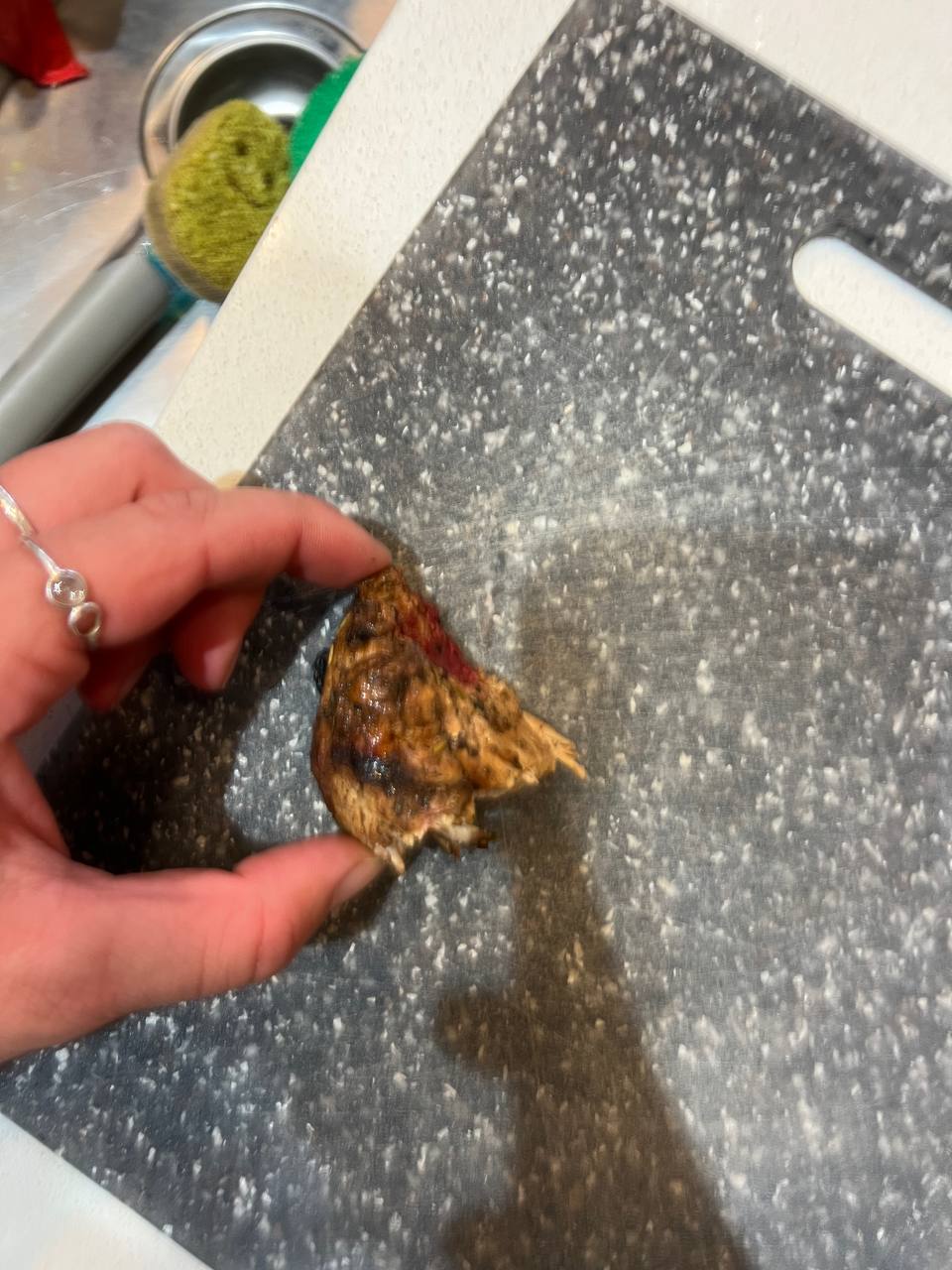
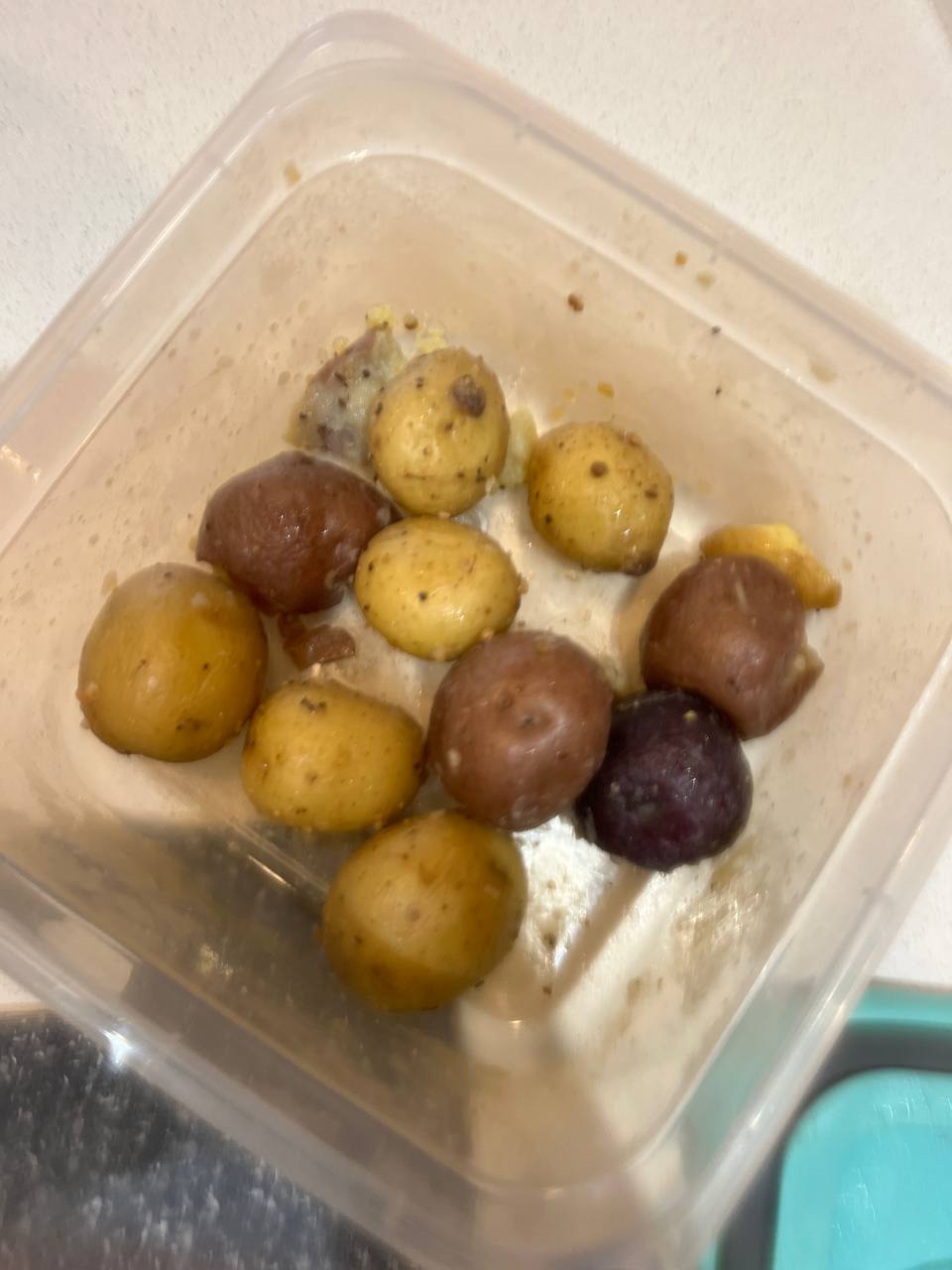
After my ride I made a scramble with one egg, four little potatoes, this amount of grilled chicken breast, and 1/8 of a red pepper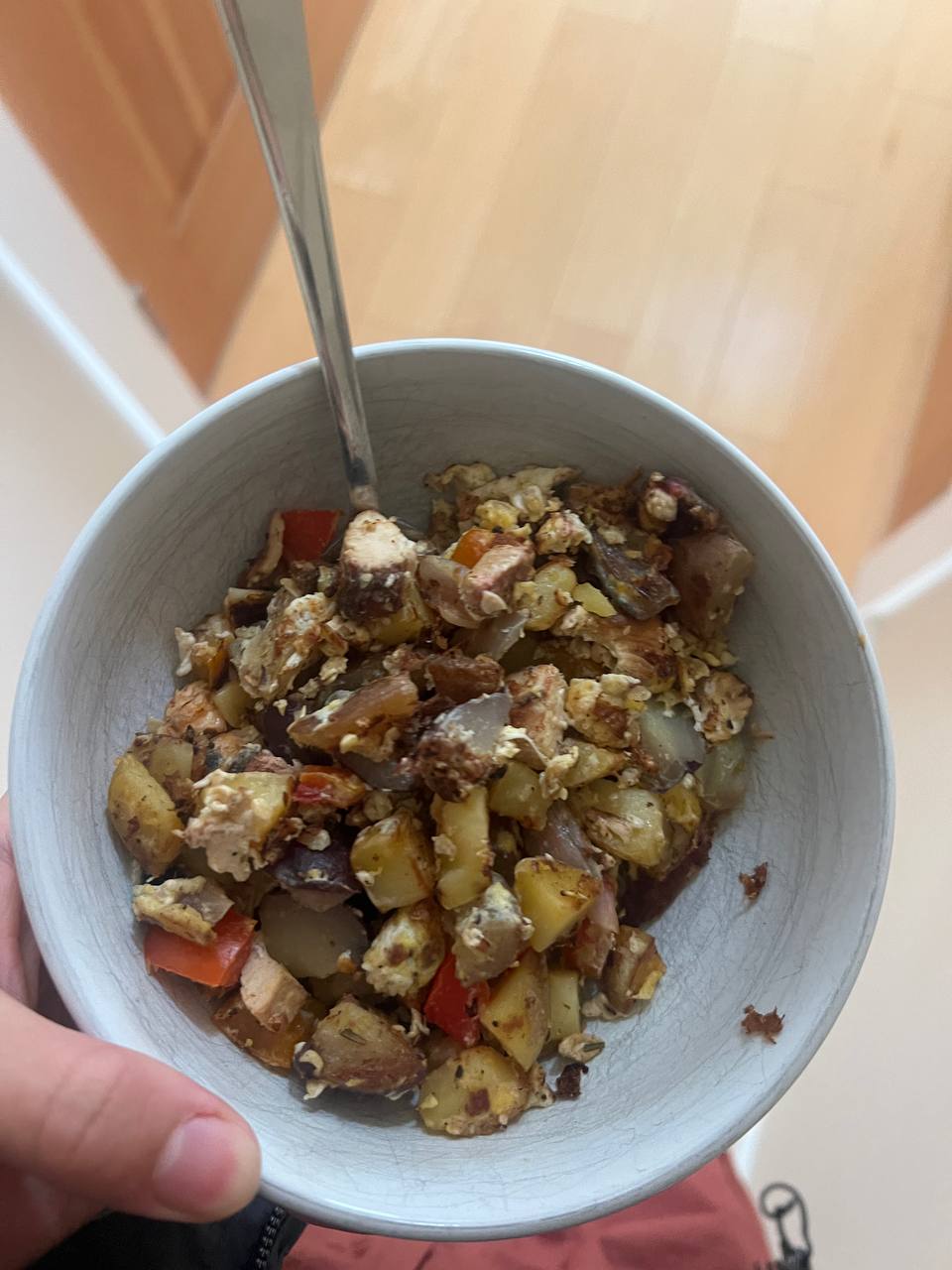
16:43 (2)
Having a snack, 1 cup of this granola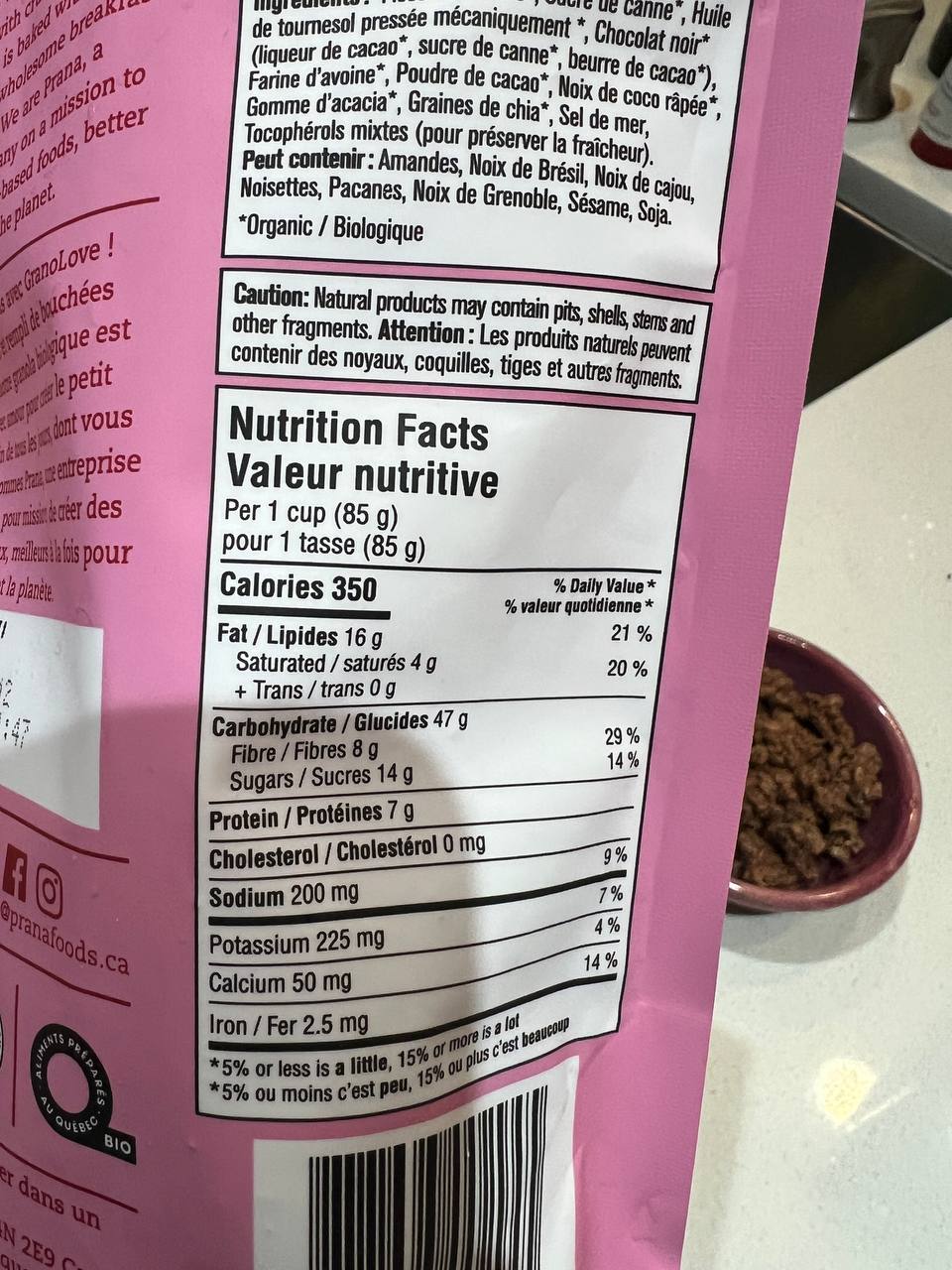
20:37
For dinner I had gluten free pasta with a rosé sauce (made of 2 parts crushed tomatoes and 1 part coconut milk). I also had 1.5 chicken thighs and a small leafy green salad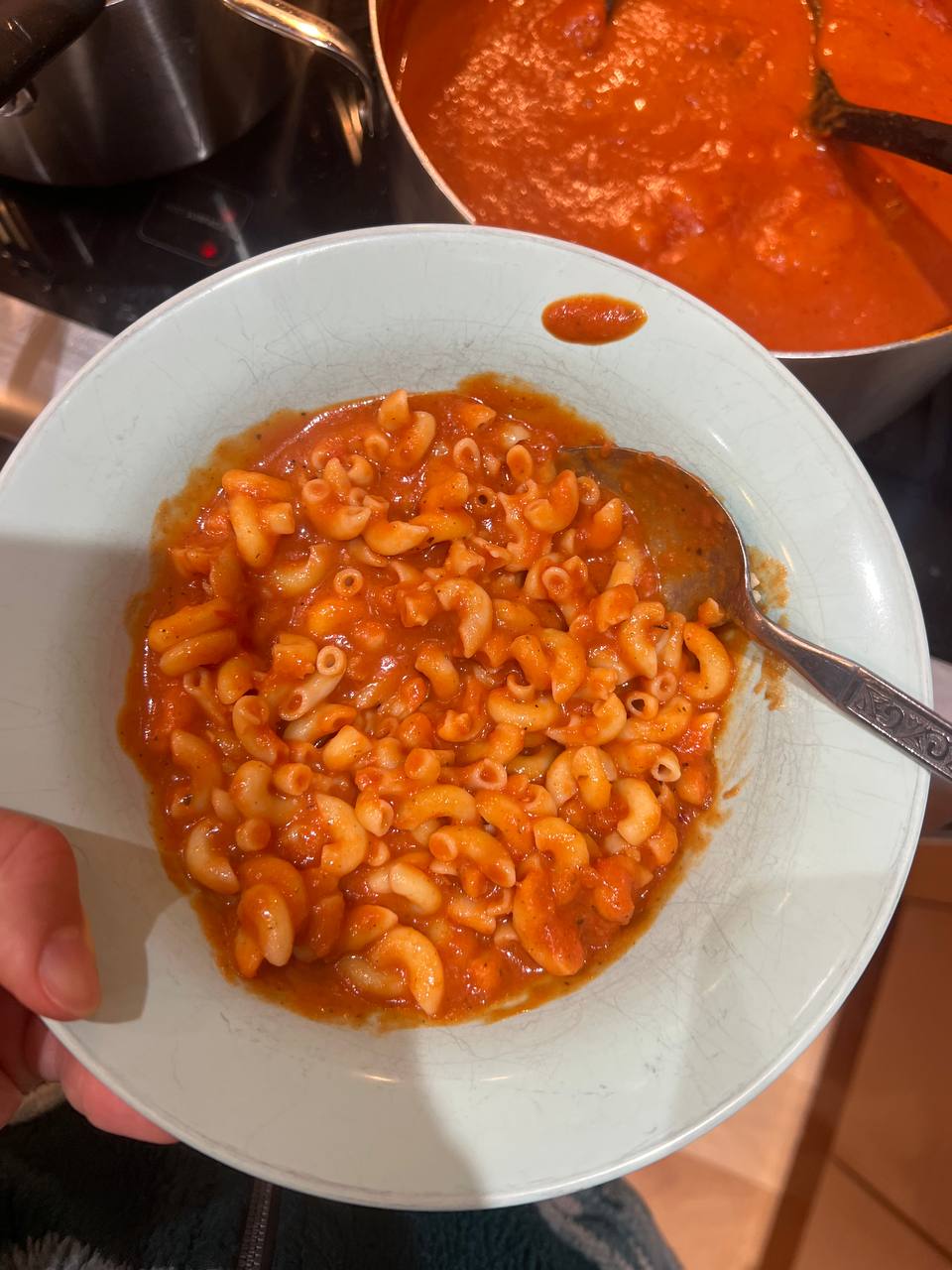
Messages
Athlete check-in
Good morning, Sidney, quick check: is the ankle clearly better this morning, with no sharp pain when walking?Morning plan
Good morning, Sidney

**Readiness:**
Unconfirmed, no same-morning athlete update yet and yesterday finished as an ankle-protection recovery day, so today stays conservative.

**Today’s plan:**
Reassessment morning. No ride unless the ankle is clearly calmer than yesterday and normal walking is free of sharp pain. If that is true, ride 60-75 min on the road only, seated, Z1 to low Z2, on smooth non-technical roads. Keep the first 45 min fully easy, allow only a small drift into normal Z2 if the ankle stays quiet, and stop the ride if the ankle becomes reactive. No surges, hard hills, standing efforts, or mountain bike.

**Fueling:**
If you ride, eat a normal aerobic-ride breakfast first and start fueling from rollout. Target 50-60 g carbohydrate before the ride, then 30-45 g carbohydrate per hour on the bike if you go beyond 60 min. If you stay off the bike, keep meals normal and recovery-supportive, with protein spread across the day and no restriction.

**Weather:**
Victoria 🌥️
8°C / 2°C, mostly cloudy

Cool morning conditions, with a brisk wind through the day and a higher shower risk late afternoon into evening.

If you ride later, keep the route sheltered and flat. If the roads are wet or the cold wind makes the ankle feel stiff, move the session indoors or keep it off the bike.

**Monitor:**
Sharp pain during normal walking, ankle response in the first 10-15 min if you ride, and whether general freshness is clearly better than yesterday.

/luca
/recovery
/nutrition
Missed follow-up draft
Good morning, Sidney

Thanks, that is enough to move forward.

You can ride today, but keep it as an easy road-only return. Stay seated throughout, use a longer gentle warm-up, and keep the whole ride fully sub-threshold. Keep the route smooth and non-technical, no surges, no hard hills, and no standing efforts.

Because your back is sore from the drive, pay attention in the first 15-20 minutes. If the back tightens as you settle in, or if the ankle becomes reactive at any point, stop and turn the day back into recovery only.

Fuel it like an easy aerobic ride, then keep the rest of the day quiet.

/luca
/recovery
Evening summary
Good evening, Sidney

**Today's session:**
You got the ride done, but it became a much bigger aerobic load than intended: 3:05, 75.8 km, 102.8 TSS, with controlled intensity but far more duration and climbing than the planned easy road return.
[Certainty: Confirmed modified, significant]

**Feedback:**
The positive is that the effort stayed controlled. The issue is load, not intensity. For a first day back after the ankle flare, this overshot the purpose of the session, so tomorrow needs to be decided from ankle response, back response, and freshness, not from the original progression plan.

**Recovery:**
Tonight needs to be simple: finish the day with a proper dinner, keep fluids up, stay off your feet where you can, and do mobility only if it helps the back and ankle settle. No extra training load.

**Tomorrow preview:**
Tomorrow is now an aerobic support day, not a progression day. If the ankle stays calm and the back is manageable on waking, ride 75-90 minutes on the road, seated, smooth, Z1 to low Z2 only. No tempo blocks, no standing efforts, and no gym. If either the ankle or back is clearly worse, cut it shorter or take the day off the bike.

**Monitor:**
Ankle response tonight and first thing in the morning, back stiffness on waking, and general freshness. None of those need to be perfect, but they do need to be clearly manageable.

/luca
/endurance
/recovery
/nutrition
Nutrition review
Today’s intake did not fully match the ride you actually did. Once the session stretched into a real 3-hour aerobic load, the main nutrition issue became total recovery support: you got a useful protein hit after the ride and some carbohydrate back in, but by evening the full day still looked light for restoring energy and glycogen after that much riding.

**What went well:**
- You did get a solid post-ride protein anchor, which helps recovery instead of leaving the whole day empty after the ride.
- The later granola added some useful carbohydrate and energy, so the recovery picture improved compared with breakfast alone.

**What needs work:**
- The full logged day still looks too light for a 3-hour ride, especially on total carbohydrate replacement.
- Because the ride was much longer than planned, you needed a more complete dinner and overall higher intake than a short return spin would require.

**Tomorrow's goal:**
Have a proper carbohydrate-anchored dinner tonight and a normal breakfast tomorrow so recovery intake matches the load you actually carried today.

**Next step:**
Make dinner a real meal with a clear starch source plus protein, and if dinner is small, add one simple carb-plus-protein snack before bed.

/luca
/nutrition
System
Notes
- Earlier operator context was preserved in coordinator planning and interpretation sections during this repair pass rather than left as untimed system bullets
- A separate live TP zone-audit note previously stored as a 10:46-10:56 range entry was normalized into timed system rows because
## Systemnow requires strictHH:MMrows only - Evening summary composition intent remains captured in coordinator coordination notes rather than as a pseudo-message artifact
Open items
- Athlete subjective post-ride report is still missing for ankle response, back response, and residual fatigue
- Additional evening nutrition intake may still need to be logged if more food was consumed after the current 16:43 entries